What Are Smart Alerts?
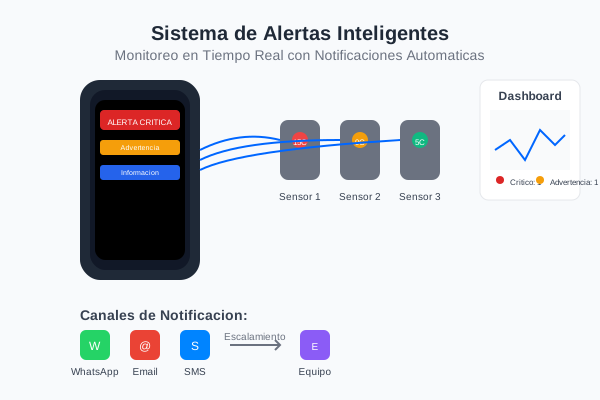
Smart alerts go beyond simple notifications. They are systems that analyze patterns, context and criticality to send the right information, to the right person, at the precise moment.
Key Features:
- Contextual analysis: Considers factors such as time of day, location and history
- Automatic escalation: Notifies different levels according to severity
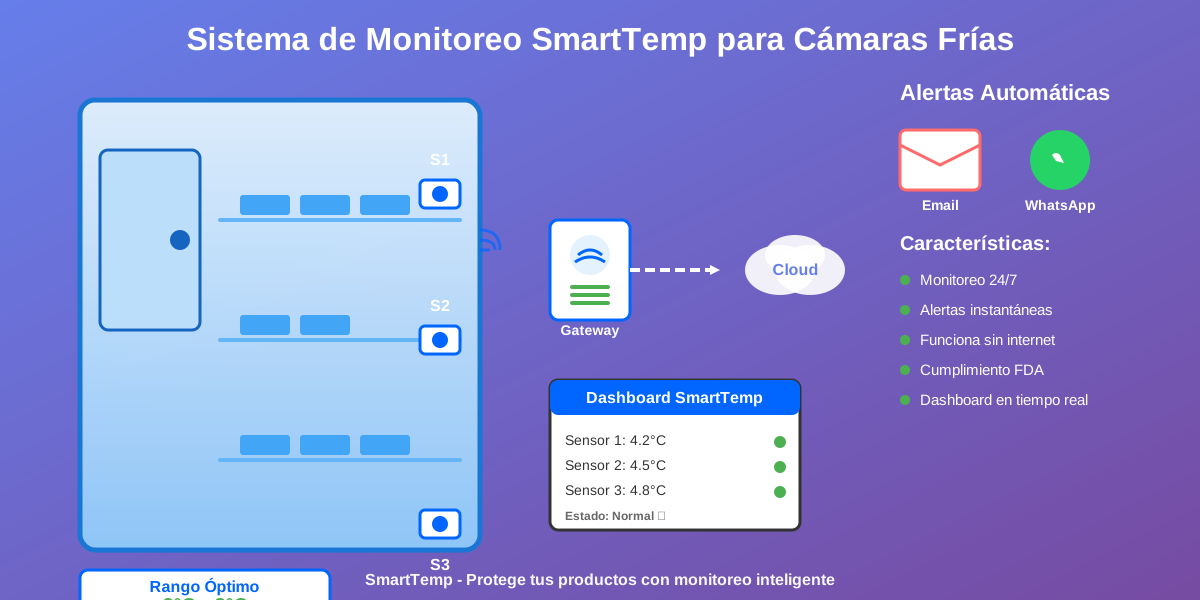
- Multiple channels: Email and WhatsApp
- Smart filtering: Avoids spam from unnecessary alerts
Alert Types by Criticality
1. Critical Alerts (Level 1)
Trigger: Deviations that compromise product safety
- Temperature outside the critical range for more than 5 minutes
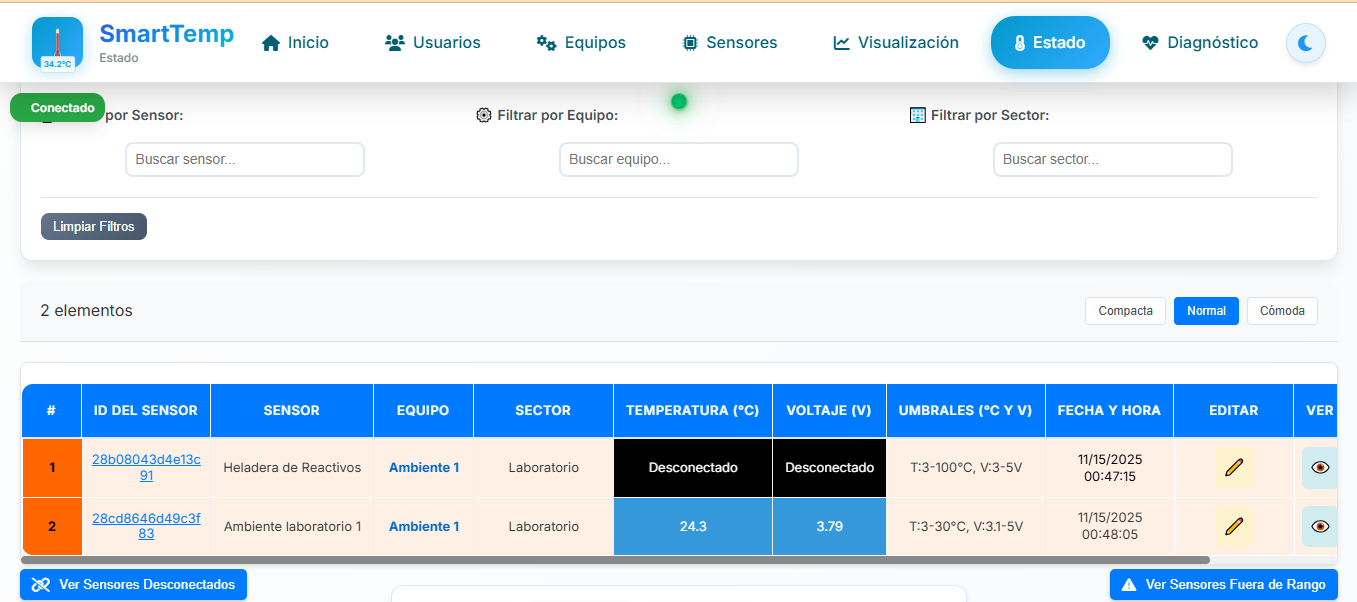
- Total sensor failure
- Loss of connectivity for more than 15 minutes
Response: Immediate notification via WhatsApp + Email to the person in charge and supervisor
2. Warning Alerts (Level 2)
Trigger: Conditions that require attention but are not critical
- Temperature near the limit for more than 10 minutes
- Sensor battery below 20%
- Intermittent connectivity
Response: Email to the person in charge with a copy to the supervisor
3. Informational Alerts (Level 3)
Trigger: Preventive maintenance information
- Upcoming scheduled calibration
- Daily status reports
- Firmware updates available
Response: Consolidated daily email
Configuring Smart Thresholds
Dynamic Thresholds
Static thresholds are a thing of the past. Modern systems automatically adjust the limits based on:
- Historical patterns: Normal variations depending on the time of day
- Environmental conditions: Outdoor temperature, humidity, season of the year
- Workload: Activity in the monitored area
Configuration Example:
Pharmaceutical Cold Room:
- Normal range: 2°C to 8°C
- Critical threshold: < 0°C or > 10°C
- Warning threshold: < 1°C or > 9°C
- Grace period: 5 minutes for critical, 15 for warning
- Nighttime adjustment: +/- 0.5°C additional tolerance
Effective Notification Channels
WhatsApp Business
Advantages: Immediate delivery, read confirmation, multimedia
Ideal use: Critical alerts that require an immediate response
Smart Email
Advantages: Detailed information, history, attachments
Ideal use: Detailed reports and warning alerts
SMS
Advantages: Works without internet, high open rate
Ideal use: Backup for critical alerts
Implementation Best Practices
1. Avoid Alert Fatigue
- Implement configurable quiet periods
- Group similar alerts within a time period
- Allow alert acknowledgment
2. Role-Based Customization
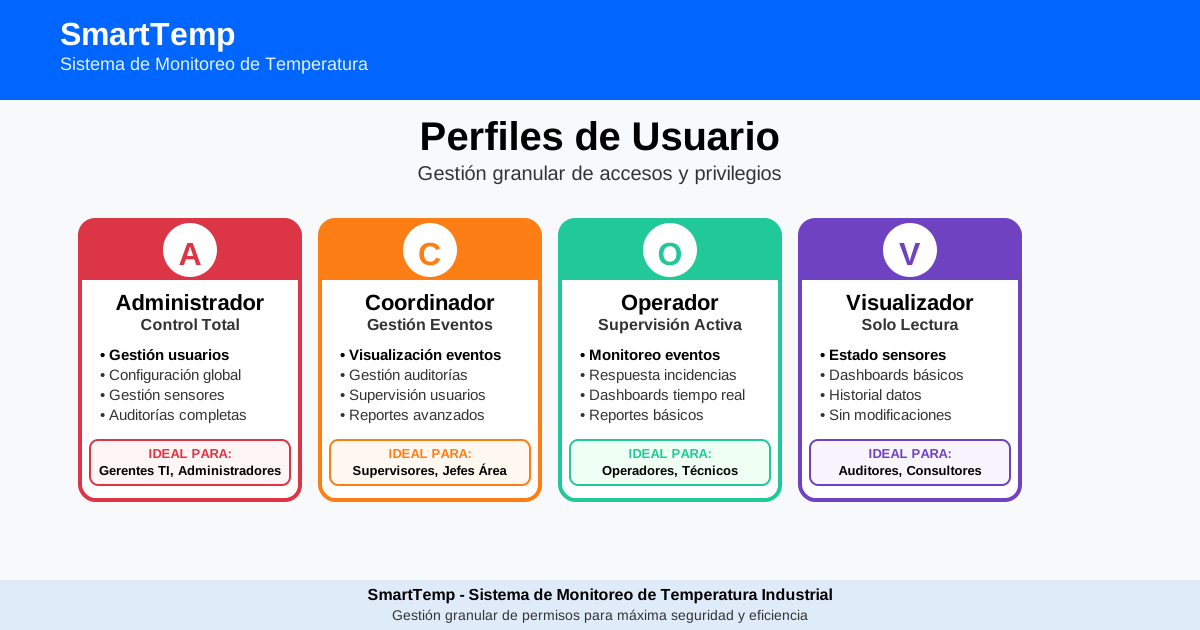
- Operators: Detailed technical alerts
- Supervisors: Summaries and trends
- Management: Business impact and KPIs
Use Cases by Industry
Pharmaceutical Industry
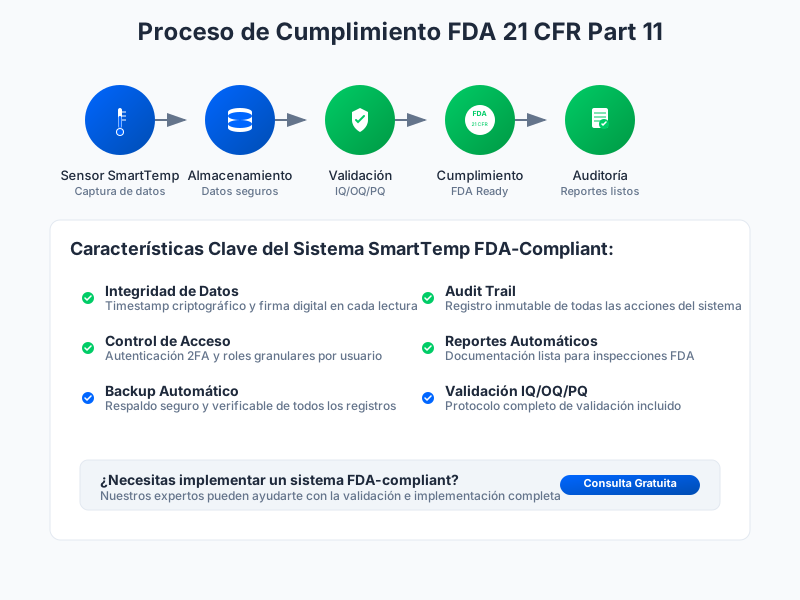
Challenge: Strict regulatory compliance (FDA, EMA)
Solution: Alerts with full traceability and automatic reports for audits
Food Industry
Challenge: Complex cold chain with multiple critical points
Solution: Geo-referenced alerts for transport and storage
Research Laboratories
Challenge: Critical samples with irreplaceable scientific value
Solution: Predictive alerts based on machine learning
Conclusion
Smart alerts transform monitoring systems from reactive to proactive. A well-designed configuration not only prevents losses, but also optimizes operations and reduces operating costs by up to 30%.
The key is finding the perfect balance between sensitivity and specificity, ensuring that every alert is relevant, timely and actionable.
Need to implement smart alerts in your company?
Our team of experts can help you design a custom alert system for your industry.
Request Free Consultation