The Problem: Alarms Nobody Believes
In the monitoring industry, the statistics are worrying: the vast majority of processed alarms turn out to be false. In temperature monitoring, the most common causes are:
- Momentary erroneous readings: Electrical interference or intermittent contact that produces an incorrect reading for a few milliseconds
- Micro-disconnections: A loose cable or vibration that causes an instantaneous disconnection
- Signal fluctuations: A momentary loss of connectivity that does not represent a real problem
- Environmental conditions: In cold storage rooms, condensation can temporarily affect the contacts
The Real Cost of False Alarms:
- Alert fatigue: Operators start ignoring notifications, including the real ones
- Wasted time: Each false alarm requires a manual check that consumes resources
- Contaminated records: False events in the history make regulatory audits harder
- Loss of trust: The team stops trusting the monitoring system
The Solution: Verify Before Alerting
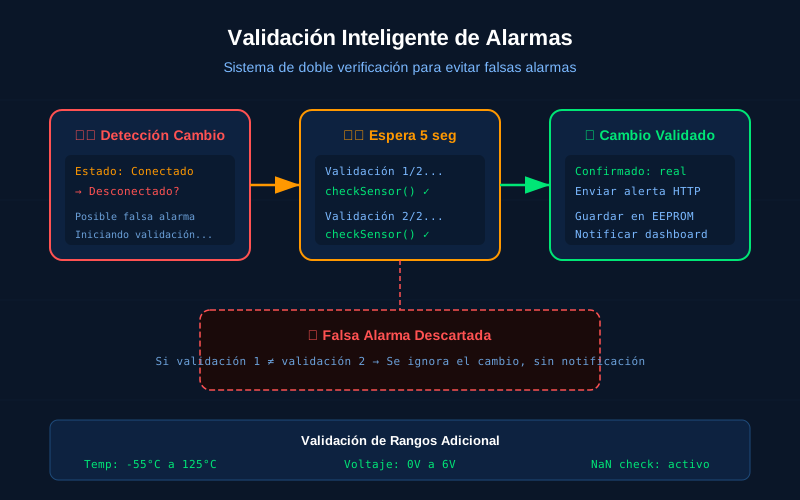
SmartTemp does not send alerts at the first sign of a change. Instead, the sensor runs an automatic verification process before reporting any event.
Step 1: Detecting the Change
The sensor constantly monitors its connection state. When it detects something different (for example, a sensor that appears to have disconnected), it does not react immediately. It starts the validation process.
Step 2: Wait and First Verification
It waits a few seconds and checks again. If the result matches the detected change, it continues. If it does not match, it silently discards the event as a false alarm.
Step 3: Second Verification
It waits again and checks one more time. Only if both verifications confirm the same state is the change considered real and reported to the server.
In Summary:
The sensor needs two consecutive confirmations before sending any state-change alert. If at any point the verification does not match, the event is automatically discarded as a false alarm, without generating any notification.
Range Validation: A Second Layer of Protection
In addition to double state verification, SmartTemp validates that each reading falls within physically possible ranges:
🌡️ Temperature
Only readings within the sensor's operating range are accepted. Impossible values are automatically discarded as reading errors.
🔋 Power Level
The reported battery level is validated for consistency. Out-of-range values indicate a measurement error, not a real reading.
🚫 Corrupt Data
Before any processing, the values are verified to be valid numbers. Corrupt data is discarded before reaching the server.
Impact on Regulatory Compliance
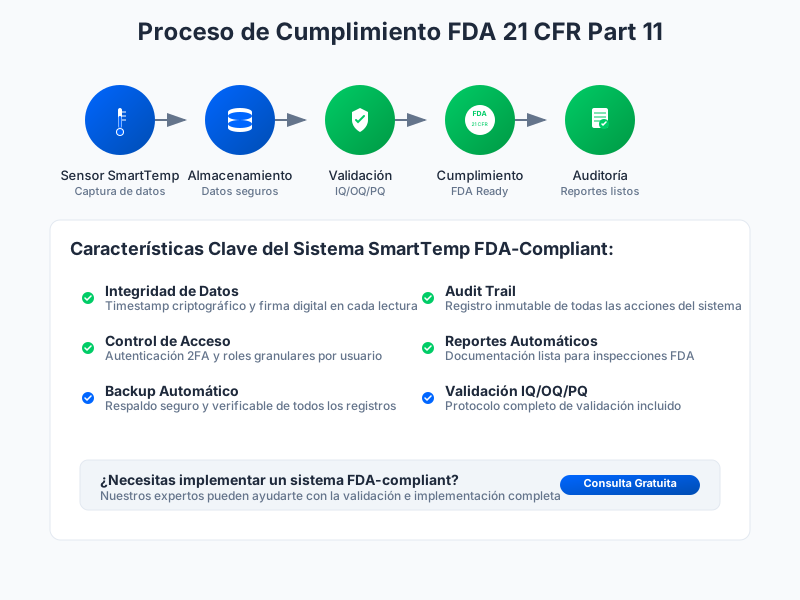
For companies that must comply with regulations such as FDA 21 CFR Part 11, WHO guidelines or local good distribution practice regulations, alarm validation has a direct impact:
- Clean records: No false events contaminating the temperature history
- Simpler audits: Every logged event is a real, verified event
- Reliable traceability: Inspectors can trust that the data reflects reality
- Fewer documented deviations: Phantom deviations caused by erroneous readings are eliminated
Concrete Results
Before vs. After Intelligent Validation:
- False disconnection alarms: Reduced by more than 95%
- Operator trust: Every alert that arrives is real and requires action
- Response time: Operators respond faster because they trust the alerts
- Audit records: A clean history with no phantom events
Conclusion
SmartTemp tackles the false alarm problem at its root: the sensor itself confirms that a change is real before reporting it. This results in a more reliable system, cleaner records and operators who trust the alerts they receive.
For any industry where each false alarm can trigger a costly verification protocol, this capability is not a luxury: it is an operational necessity that saves time, money and headaches.
Tired of false alarms in your monitoring system?
Discover how SmartTemp eliminates false alarms with built-in intelligent validation.
Request a Free Demo