Implementing a temperature monitoring system in blood banks requires careful planning and a methodical approach. This practical guide will help you understand the necessary steps, the technical considerations and the best practices for a successful implementation that complies with international regulations.
Drawing on industry standards and recognized best practices, we will explore each phase of the implementation process, from the initial assessment to the ongoing maintenance of the system.
Phase 1: Initial Assessment and Planning
Needs Assessment
Current State Analysis:
- Inventory of existing refrigeration equipment
- Mapping of critical temperature points
- Evaluation of current monitoring processes
- Identification of risks and vulnerabilities
Definition of Objectives:
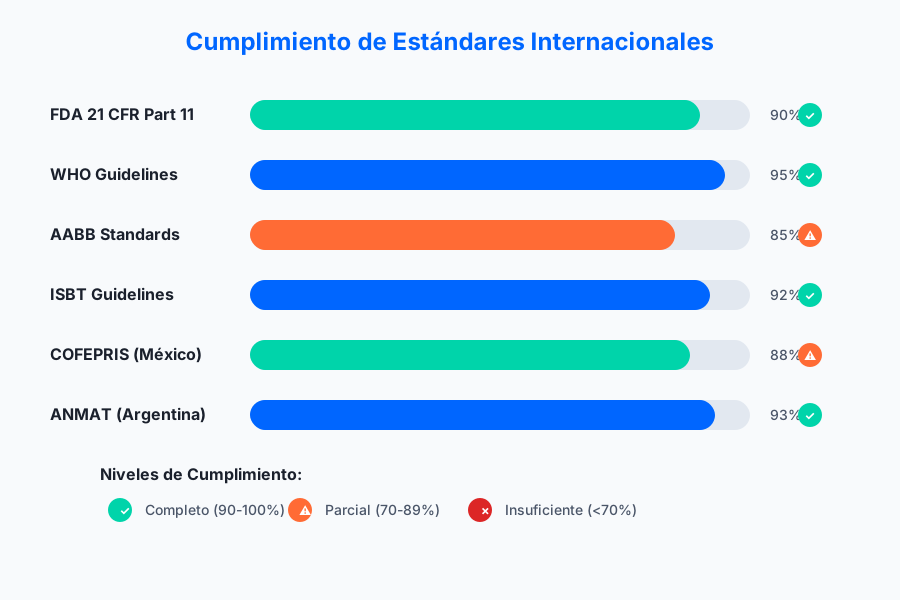
- Specific regulatory compliance (FDA, WHO, AABB)
- Reduction of operational risks
- Improvement in staff efficiency
- Automation of reports and documentation
Budget Considerations:
- Initial cost of equipment and software
- Installation and configuration
- Staff training
- Ongoing maintenance and support
Phase 2: Technology Selection
Selection Criteria
Essential Technical Features:
- Accuracy of ±0.1°C in the operating range
- Reliable WiFi connectivity
- Backup battery for continuity
- Medical certifications (ISO 13485, FDA)
- Compatibility with existing systems
Software Functionalities:
- Real-time dashboard
- Configurable alert system
- Automatic reports
- Complete audit trail
- Mobile and remote access
Regulatory Compliance:
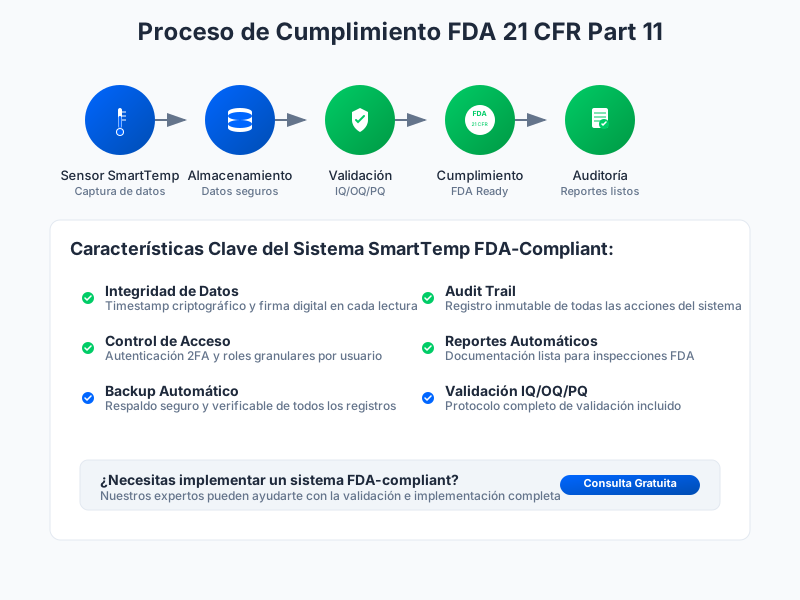
- FDA 21 CFR Part 11 (if applicable)
- IQ/OQ/PQ validation
- Documentation for audits
- Complete data traceability
Phase 3: Installation Planning
Sensor Mapping and Placement
Critical Monitoring Points:
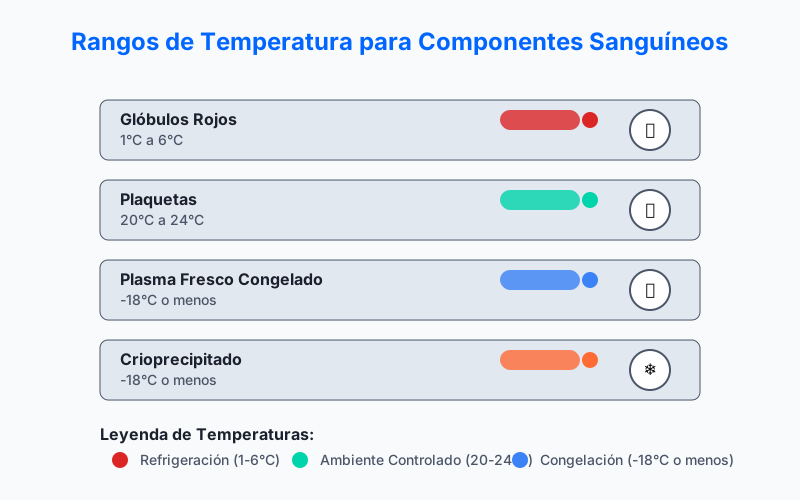
- Red blood cell refrigerators (2-6°C)
- Plasma freezers (-18°C or lower)
- Platelet agitators (20-24°C)
- Processing areas
- Transport and receiving zones
Installation Considerations:
- Optimal location within the equipment
- Avoid electromagnetic interference
- Access for maintenance
- Adequate WiFi coverage
- Redundancy at critical points
Phase 4: Implementation Process
Implementation Timeline
Week 1-2: Preparation
- WiFi network configuration
- Installation of the base software
- Configuration of users and permissions
- Documentation preparation
Week 3-4: Hardware Installation
- Physical installation of sensors
- Connectivity configuration
- Communication tests
- Initial calibration
Week 5-6: Configuration and Testing
- Alert configuration
- Operation tests
- Report validation
- Final adjustments
Phase 5: Staff Training
Training Program
Role-Based Training:
- Administrators: Complete system configuration
- Supervisors: Management of alerts and reports
- Technicians: Daily operation and alarm response
- Maintenance staff: Basic sensor care
Training Content:
- System operation
- Alert interpretation
- Response procedures
- Report generation
- Preventive maintenance
Phase 6: System Validation
Validation Protocol
IQ Validation (Installation Qualification):
- Verification of correct installation
- Configuration documentation
- Verification of technical specifications
- Connectivity tests
OQ Validation (Operational Qualification):
- Operational function tests
- Alert verification
- Accuracy tests
- Report validation
PQ Validation (Performance Qualification):
- Tests under real conditions
- Verification of continuous performance
- Procedure validation
- Final documentation
Phase 7: Maintenance and Ongoing Support
Maintenance Plan
Preventive Maintenance:
- Biannual sensor calibration
- Monthly connectivity check
- Quarterly software updates
- Annual configuration review
Technical Support:
- 24/7 support line
- Remote access for diagnostics
- Replacement of equipment under warranty
- Continuous staff training
ROI Analysis: Numbers That Speak
The success stories above demonstrate consistent patterns in return on investment. Let's analyze the key components that generate economic value:
Direct Savings from Reduced Losses
The most immediate and measurable saving comes from the drastic reduction in blood component losses:
- Red blood cells: $250-350 USD per lost unit
- Platelets: $450-650 USD per lost unit
- Plasma: $180-280 USD per lost unit
- Specialized components: $800-1,200 USD per unit
Typical ROI Calculation
Medium-sized blood bank (10,000 units/year):
Situation Before:
- Monthly losses: 25 units
- Average cost per unit: $300 USD
- Annual loss: $90,000 USD
Situation After (SmartTemp):
- Monthly losses: 3 units
- Reduction: 88%
- Annual savings: $79,200 USD
SmartTemp Investment:
- Complete system: $25,000 USD
- Installation and training: $5,000 USD
- Total investment: $30,000 USD
First-Year ROI: 164%
Payback Period: 4.5 months
Quantifiable Indirect Benefits
Beyond direct savings, SmartTemp systems generate additional value:
Operational Efficiency
- Reduced documentation time: 70% fewer man-hours
- Report automation: 90% less time preparing for audits
- Elimination of manual checks: 4 hours/day of staff time freed up
Improved Compliance
- Reduction of regulatory fines: Average of $15,000 USD avoided annually
- Faster certifications: 50% less time to obtain accreditations
- Reduced rework: 80% fewer investigations due to deviations
Step-by-Step Guide to Successful Implementation
Based on the success stories analyzed, we have developed a proven methodology for successful implementations:
Phase 1: Assessment and Planning (Weeks 1-2)
Initial Audit
- Equipment inventory: Catalog all storage devices
- Historical loss analysis: Review records from the last 12 months
- Process mapping: Document current workflows
- Infrastructure assessment: Connectivity, power, spaces
Definition of Objectives
- Quantifiable goals: Target % reduction in losses
- Compliance requirements: Specific regulations to meet
- Timeline: Key dates and milestones
- Budget: Total investment and payment schedule
Phase 2: System Design (Weeks 3-4)
Technical Architecture
- Sensor placement: Detailed mapping of critical points
- Connectivity: WiFi, LoRaWAN or cellular according to needs
- Integration: APIs with existing systems (LIMS, HIS)
- Redundancy: Backup and contingency systems
Alert Configuration
- Custom thresholds: By component type and equipment
- Escalation: Notification levels according to criticality
- Communication channels: SMS, email, calls, push notifications
- Schedules: Differentiation between working hours and on-call shifts
Phase 3: Installation and Configuration (Weeks 5-6)
Physical Installation
- Site preparation: Verification of technical requirements
- Sensor installation: Optimal placement and calibration
- Network configuration: Connectivity and communication tests
- System integration: APIs and data synchronization
IQ/OQ/PQ Validation
- Installation Qualification: Verification of correct installation
- Operational Qualification: Operation tests
- Performance Qualification: Validation under real conditions
Phase 4: Training and Go-Live (Weeks 7-8)
Training Program
- Technical staff: Daily operation of the system
- Supervisors: Management of alerts and reports
- Administrators: Advanced configuration and maintenance
- Executives: Executive dashboards and KPIs
Go-Live
- Parallel operation: 2 weeks with the previous system as backup
- Intensive monitoring: 24/7 support during the first weeks
- Fine-tuning: Optimization based on real use
- Final documentation: Updated procedures and manuals
Best Practices for Success
Change Management
Successful implementation requires more than technology; it needs effective organizational change management:
- Early communication: Involve staff from the planning stage
- Internal champions: Identify leaders who promote adoption
- Clear benefits: Explain how it will improve daily work
- Continuous training: Regular update programs
Continuous Monitoring and Improvement
The most successful centers implement continuous improvement cycles:
- Defined KPIs: Clear performance metrics
- Monthly reviews: Analysis of trends and opportunities
- Staff feedback: Regular satisfaction surveys
- Technology updates: Adoption of new features
Integration with Existing Systems
Effective integration maximizes the value of the system:
- LIMS integration: Automatic data synchronization
- HIS connectivity: Visibility in hospital systems
- ERP integration: Impact on costs and inventories
- Reporting tools: Unified executive dashboards
Critical Success Factors
Based on the analyzed cases, we identify the factors that determine the success of the implementation:
Leadership and Commitment
- Management support: Visible commitment and allocated resources
- Project champion: Dedicated leader with authority to make decisions
- Clear communication: Well-communicated objectives and benefits
Detailed Planning
- Realistic timeline: Adequate time for each phase
- Sufficient resources: Appropriate staff and budget
- Risk management: Identification and mitigation of risks
Selecting the Right Provider
- Medical experience: Specific knowledge of the sector
- Local support: Presence and support in the country
- Certifications: Compliance with local regulations
- Verifiable references: Proven success stories
Common Mistakes to Avoid
Learning from less successful implementations, we identify frequent mistakes:
Technical Mistakes
- Underestimating connectivity: Failing to properly evaluate the network infrastructure
- Incorrect sensor placement: Not considering air flows and critical points
- Inadequate configuration: Thresholds that are too strict or too lax
- Lack of redundancy: Not planning for system failures
Organizational Mistakes
- Insufficient training: Staff not prepared to use the system
- Resistance to change: Not properly managing the transition
- Unrealistic expectations: Expecting immediate results without an adaptation period
- Lack of follow-up: Not monitoring post-implementation performance
Future Trends in Implementation
Artificial Intelligence and Machine Learning
Next-generation systems incorporate AI to:
- Predictive maintenance: Predicting failures before they occur
- Automatic optimization: Dynamic parameter adjustment
- Pattern analysis: Identification of trends and anomalies
- Smart recommendations: Suggestions for operational improvement
Cloud Integration and Edge Computing
- Distributed processing: Local and cloud analysis
- Automatic scalability: Resources that adjust to demand
- Automatic backup: Data protection across multiple locations
- Remote updates: Improvements without local intervention
Conclusion: The Path to Excellence
The success stories analyzed demonstrate that implementing temperature monitoring systems is not just a technological improvement, but a comprehensive transformation that positively impacts:
- Patient safety: Drastic reduction of temperature-related risks
- Operational efficiency: Automation of critical processes
- Regulatory compliance: Automatic documentation and traceability
- Economic sustainability: Proven ROI and significant savings
The key to success lies in careful planning, selecting the right provider, effective change management and organizational commitment. Blood banks that have followed this methodology have achieved successful transformations with lasting benefits.
Ready to Transform Your Blood Bank?
Our specialists can help you replicate these success stories at your center. Get a free assessment and discover the potential for savings and improvement in your operation.
References
- SmartTemp Internal Case Studies Database, 2024
- Healthcare Financial Management Association. "ROI Analysis in Medical Technology Implementation", 2024
- International Society of Blood Transfusion. "Best Practices in Blood Bank Operations", 2024
- Latin American Blood Banking Association. "Technology Adoption Trends", 2024
- McKinsey & Company. "Digital Transformation in Healthcare", 2024